Hi,
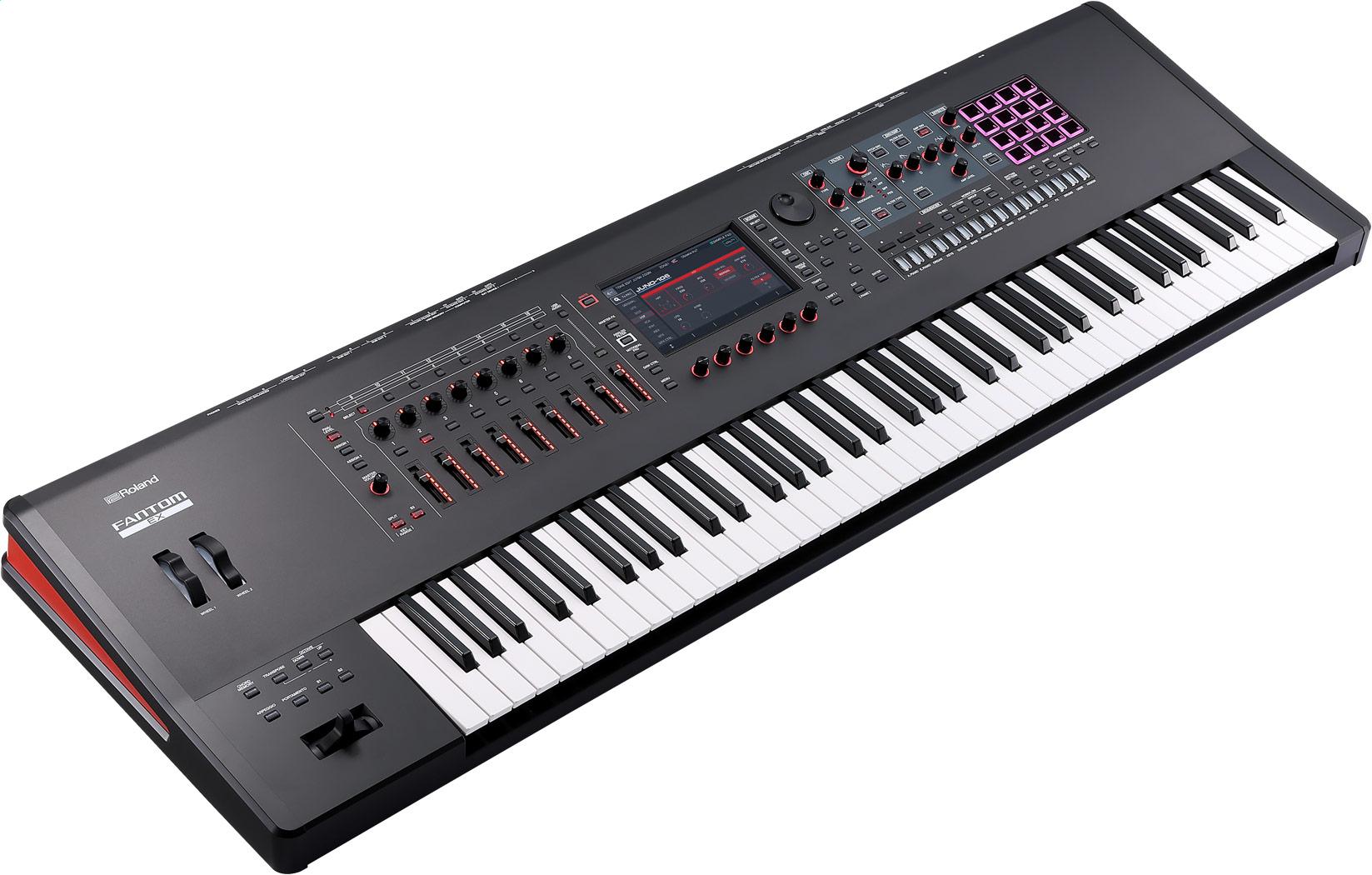
I bought the Fantom 8 a week ago, first my Macbook 2018 crashed after installing the driver. I reinstalled my MacOS Catalina and succeeded the install of the driver. My PC shows the Fantom as connected when connecting the USB to the Fantom, but the Fantom keeps showing "Please connect your PC" when pressing the DAW button. Why is that? When I open a music writing program, it registered all the notes I play on the Fantom, so this works well. I like to use Garageband or Cubase DAW, but when I open these programs, I can play sounds from inside the DAW, but I can't send the Fantom sounds to the DAW. Also not when I connect the Fantom with two MIDI cables via a recording interface.
What should I do in order to use a DAW like Garageband with the Fantom?
Fantom Is a Blockchain Platform for Fast Smart Contracts
Fantom Is a layer-1 blockchain ecosystem built for fast, low-cost smart contract activity. It is best known for the Fantom Opera network, the FTM token, EVM compatibility, proof-of-stake security, and a history of decentralized finance, NFT, and GameFi applications. Since the launch of Sonic, Fantom also matters as an ecosystem in transition, where users should verify token, bridge, staking, and app details through official sources before taking action.
Fantom is often searched by people who want a plain explanation of what the network does, whether FTM still has a role, and how it compares with other blockchain platforms. The short answer is that Fantom was designed to make decentralized applications feel faster and cheaper than older networks while still using familiar Ethereum-style tools. That makes Fantom approachable for users who already understand wallets, gas fees, token swaps, liquidity pools, and smart contracts.
Fantom also needs context because the ecosystem has changed. The Opera chain continues to exist, but development attention has shifted toward Sonic, a newer chain associated with the same broader lineage. For readers researching Fantom today, the important point is not only what Fantom has been, but how wallets, apps, staking, bridges, and the FTM-to-S token migration may affect practical decisions.
What is Fantom?
Fantom is a smart contract platform that lets developers build decentralized applications without relying on a central server. In practice, Fantom supports many of the same application patterns that people know from Ethereum: decentralized exchanges, lending markets, yield tools, NFT marketplaces, games, token dashboards, wallets, and governance systems. Fantom Opera, the main network most users associate with Fantom, uses FTM as its native token for transaction fees and network participation.
Fantom became popular because it aimed to solve a common problem in crypto: blockchains can become slow or expensive when many people use them at once. Fantom focused on quick finality and low transaction costs, so routine actions such as swapping tokens, approving a smart contract, moving assets, or interacting with a DeFi app could settle quickly. The value proposition was simple: keep smart contracts flexible while making user interactions feel less heavy.
The protocol is compatible with the Ethereum Virtual Machine, often called the EVM. That means developers who know Solidity, Vyper, MetaMask-style wallets, JSON-RPC endpoints, and Ethereum development frameworks can understand Fantom without starting from zero. EVM compatibility has been one of Fantom's practical strengths because it lowers the cost of bringing existing application ideas, libraries, and developer tooling into the Fantom ecosystem.
How does Fantom work?
Fantom uses a proof-of-stake model in which validators help secure the chain and process transactions. Instead of proof-of-work mining, proof of stake asks network participants to lock tokens and follow protocol rules. If validators act against the network, they can face penalties. This economic design is intended to make honest behavior more rational than malicious behavior, though it does not remove every technical, operational, or market risk.
Fantom Opera is associated with Lachesis, an asynchronous Byzantine fault tolerant consensus approach. In plain terms, the network is designed so validators can reach agreement even when messages are delayed and even when some participants fail or behave incorrectly. That matters because public blockchains depend on many independent nodes that may not communicate at the exact same speed. Fantom's architecture was built to handle that messy real-world environment while producing fast finality.
Fantom finality means a transaction is treated as settled once it is included according to the network's consensus rules. Fast finality is useful for DeFi trades, game interactions, payment-like transfers, and any application where users do not want to wait through many confirmations. The experience can feel closer to a normal web app, although every blockchain action still depends on network conditions, wallet setup, smart contract safety, and the reliability of the application being used.
For developers, Fantom works much like other EVM chains. A developer writes smart contracts, tests them, deploys them through an account that has FTM for gas, and then connects a frontend through wallet providers and RPC endpoints. For users, Fantom usually appears as a network inside a wallet. The user selects the chain, keeps some FTM available for fees, and interacts with applications that support Fantom Opera or the newer Sonic environment.
What is the FTM token used for?
Fantom uses FTM as the native asset of the Opera chain. FTM has historically been used to pay gas fees, participate in staking, support validators, and take part in governance-related activity. The token is also used by applications within the ecosystem, although each app has its own mechanics, risks, contracts, and liquidity conditions. A user should not assume that every token with a Fantom connection is official, safe, liquid, or actively maintained.
Fantom token research today should include the Sonic migration. The ecosystem introduced a path for FTM holders to upgrade to S at a 1:1 ratio through official migration channels. The earlier two-way swap period ended on March 31, 2025; after that, the migration direction became FTM to S only. This detail matters because old articles, social posts, and exchange pages may not reflect the current migration state.
Fantom users who hold FTM on an exchange, in a self-custody wallet, in a staking position, or in a liquidity pool may face different steps. Exchange-held assets depend on that exchange's support. Self-custody assets require careful use of official portals and the correct chain. LP positions may need to be unwound before tokens can be handled individually. The safest practical habit is to check current official instructions before connecting a wallet or signing any transaction.
For a deeper user path, this page can pair naturally with internal guides such as and . Those topics are closely related because the token, chain, and ecosystem transition are no longer separate questions for many Fantom users.
What can people build or use on Fantom?
Fantom has been used most visibly for decentralized finance. DeFi applications can include token swaps, liquidity pools, borrowing markets, yield strategies, synthetic assets, and portfolio tools. Fantom's low fees made it attractive for smaller transactions that might be uneconomical on a more expensive chain. A user experimenting with a small swap, for example, generally cares whether the transaction fee is manageable relative to the size of the action.
Fantom also supports NFTs, gaming, analytics, bridges, wallets, and developer infrastructure. The same smart contract environment that powers DeFi can also support digital collectibles, reward systems, game assets, identity tools, and DAO-style governance. The strength of Fantom for these use cases has been its combination of speed, EVM compatibility, and an application ecosystem that grew around common crypto primitives.
In practice, users encounter Fantom through a few repeated workflows:
- Adding Fantom Opera or Sonic network details to a compatible wallet.
- Holding the native gas token needed to send transactions.
- Connecting to a decentralized application and reviewing requested permissions.
- Swapping, staking, bridging, minting, lending, or voting through smart contracts.
- Monitoring balances and transaction history with explorers or wallet dashboards.
Fantom is not a single app, and that distinction matters. The chain can be functioning while an individual application is risky, abandoned, exploited, or illiquid. A decentralized exchange, bridge, farm, or NFT project has its own contracts and operators. Users should evaluate each app separately instead of treating the entire Fantom label as a blanket signal of safety.
How do you get started with Fantom?
Fantom beginners should start with the practical basics before trying advanced DeFi. First, choose a reputable wallet that supports EVM networks. Many users work with browser or mobile wallets, while larger balances may call for hardware wallet support. Next, confirm whether the task belongs on Fantom Opera, Sonic, Ethereum, or another chain. A common source of mistakes is sending a token on one network while expecting it to appear natively on another.
Fantom setup usually involves adding the network, funding the wallet with the correct gas token, and testing with a small transaction. A small test can reveal whether the wallet, chain, address, and app are configured correctly. This is especially helpful when using bridges, because cross-chain transfers add extra moving parts, including source chain fees, destination chain fees, bridge contracts, waiting periods, and sometimes wrapped token formats.
- Verify the current official network and migration information before moving funds.
- Use a wallet address you control and understand which chain it is connected to.
- Keep a small amount of the native token available for gas fees.
- Check contract permissions before approving token spending.
- Test unfamiliar bridges or applications with a small amount first.
Fantom users should also learn how approvals work. Many DeFi apps request permission to spend a token from a wallet. That approval can sometimes be larger than the exact transaction amount. Reviewing and revoking unused permissions is a good maintenance habit across Fantom, Ethereum, Polygon, Arbitrum, Optimism, BNB Chain, Avalanche, and other EVM-compatible networks.
What are the benefits of Fantom?
Fantom's main benefit has been speed. Short finality can make applications feel responsive, especially compared with networks that require a longer wait for confidence. Fantom also became known for low transaction fees, which is important for users who make frequent on-chain actions. If a wallet interaction costs only a small amount, people can try more applications and developers can design richer workflows.
Fantom's EVM compatibility is another major advantage. Developers can reuse familiar tools such as Solidity contracts, Hardhat, Foundry, Web3 libraries, wallet integrations, and Ethereum-style addresses. Users benefit indirectly because they do not need a completely new mental model. A wallet connection, a token approval, a swap interface, and a block explorer feel familiar across many EVM chains.
Fantom also has a history of ecosystem incentives and developer programs. Incentives can help bootstrap usage, but they should be interpreted carefully. High yields, promotional rewards, and liquidity campaigns can change quickly. Fantom may offer technical advantages, yet the quality of an individual opportunity still depends on contract audits, team behavior, liquidity depth, token design, governance, and market conditions.
What are the risks of using Fantom?
Fantom carries the normal risks of public blockchain use. Smart contracts can contain bugs. Bridges can fail or be exploited. Private keys can be stolen. Tokens can lose value. Liquidity can disappear. Apps can change fees, pause features, or stop being maintained. None of these risks are unique to Fantom, but they are important because blockchain transactions are generally hard to reverse once signed and confirmed.
Fantom also has transition risk because of the move toward Sonic. Users must understand whether their assets, applications, staking positions, and liquidity positions remain on Opera, have migrated, or require separate action. Old Fantom tutorials may still describe a valid historical workflow while missing current migration details. That is why official sources, current app announcements, and careful wallet checks matter before any transaction.
Market risk is separate from technical risk. FTM, S, and ecosystem tokens can move sharply in price. Low fees and fast finality do not make a token safe to buy, hold, stake, or farm. This page is educational content, not financial advice. Anyone making financial decisions around Fantom should consider personal risk tolerance, taxes, custody, liquidity, time horizon, and the possibility of total loss.
How does Fantom compare with other networks?
Fantom is usually compared with Ethereum and other EVM-compatible chains because developers and users can move between them with similar tools. Ethereum has the largest developer ecosystem and deep liquidity, but base-layer transaction costs can be higher during busy periods. Layer 2 networks such as Arbitrum, Optimism, Base, and Polygon zkEVM aim to scale Ethereum activity, while independent layer-1 chains such as Avalanche, BNB Chain, and Fantom take different approaches to speed, fees, and governance.
| Network type | What users often compare | Why it matters |
|---|---|---|
| Fantom Opera | Fast finality, low fees, EVM tools, FTM usage | Useful for legacy Fantom apps and historical ecosystem activity |
| Sonic | Migration path, newer infrastructure, S token | Important for current Fantom-related development direction |
| Ethereum and L2s | Liquidity, security assumptions, app availability, fees | Relevant when deciding where to deploy or use an application |
Fantom comparisons should avoid one-size-fits-all claims. A trader may care most about liquidity and slippage. A developer may care about tooling, grants, RPC quality, finality, and user base. A long-term holder may care about token migration, governance, validator economics, and exchange support. A gamer may care about speed and low fees. Fantom can be attractive in some cases and less suitable in others.
What should you know before relying on Fantom?
Fantom remains an important name in the history of fast EVM-compatible blockchains, but users should approach it as a living ecosystem rather than a static product. Fantom Opera, FTM, Sonic, S, bridges, wallets, exchanges, and dApps can all involve different instructions. The most careful users slow down, verify the chain, confirm the contract, read the transaction prompt, and test before moving meaningful value.
Fantom is best understood as both a blockchain platform and a transition story. Its original appeal came from speed, low fees, and smart contract compatibility. Its current relevance depends on how users and developers navigate Opera support, Sonic migration, and the broader competitive landscape of DeFi and EVM networks. For learning, Fantom is a useful case study in how blockchain ecosystems evolve after launch.
Fantom can be useful for people who want to understand decentralized applications, proof of stake, gas tokens, fast settlement, and cross-chain movement. It can also be risky for anyone who follows outdated instructions or treats token migration as a casual wallet action. The practical approach is simple: learn the mechanics, keep security habits strict, verify details from official sources, and remember that no blockchain removes the need for careful judgment.
Questions and Answers
What is Fantom in cryptocurrency?
Fantom is a blockchain ecosystem built for smart contracts, decentralized applications, and low-cost transactions. Its best-known network is Fantom Opera, an EVM-compatible chain that uses FTM as the native token for gas fees, staking, and network activity. Fantom is also tied to Sonic, a newer chain that became the focus of future development, so users should check current official migration details.
What is the FTM token used for on Fantom?
FTM has historically been used on Fantom Opera to pay transaction fees, help secure the proof-of-stake network, delegate to validators, and participate in governance-related activity. It may also appear in DeFi apps and liquidity pools. Because Fantom introduced migration from FTM to the Sonic S token, holders should verify the current status of their tokens before moving, staking, or swapping them.
Is Fantom the same as Sonic?
Fantom and Sonic are closely related but not identical. Fantom Opera is the older EVM-compatible chain associated with FTM, while Sonic is the newer chain that became the main development focus after launch. The ecosystem created a 1:1 upgrade path from FTM to S, with the migration becoming one-way from FTM to S after March 31, 2025.
How do people use Fantom applications?
Most users access Fantom through an EVM-compatible wallet, add the correct network, keep enough native token for gas, and connect to decentralized applications. Common actions include token swaps, staking, bridge transfers, lending, NFT activity, and governance. Before signing, users should confirm the chain, contract, token approval, transaction amount, and whether the app still supports Fantom Opera or has moved to Sonic.
Is Fantom safe to use?
Fantom is a public blockchain network, but using it still involves risk. Smart contracts can have bugs, bridges can be exploited, wallets can be compromised, and tokens can lose value. The Sonic migration adds another layer of operational risk because outdated instructions may be misleading. Users should rely on official information, test unfamiliar workflows with small amounts, and avoid treating any crypto activity as guaranteed.
Why did Fantom become popular?
Fantom became popular because it offered fast transaction finality, low fees, and compatibility with Ethereum-style smart contracts. That combination appealed to DeFi users and developers who wanted responsive applications without learning an entirely new development stack. Fantom also benefited from wallets, RPC tools, decentralized exchanges, NFT projects, and other ecosystem infrastructure that made on-chain activity easier to access.
How does Fantom compare with Ethereum?
Fantom and Ethereum both support smart contracts, and Fantom Opera is compatible with the Ethereum Virtual Machine. Ethereum has deeper liquidity, a larger developer base, and a broader security history, while Fantom focused on fast finality and low transaction costs. The right network depends on the application, liquidity needs, tooling, fees, bridge risk, and whether a user needs Fantom Opera or Sonic support.