Hi,
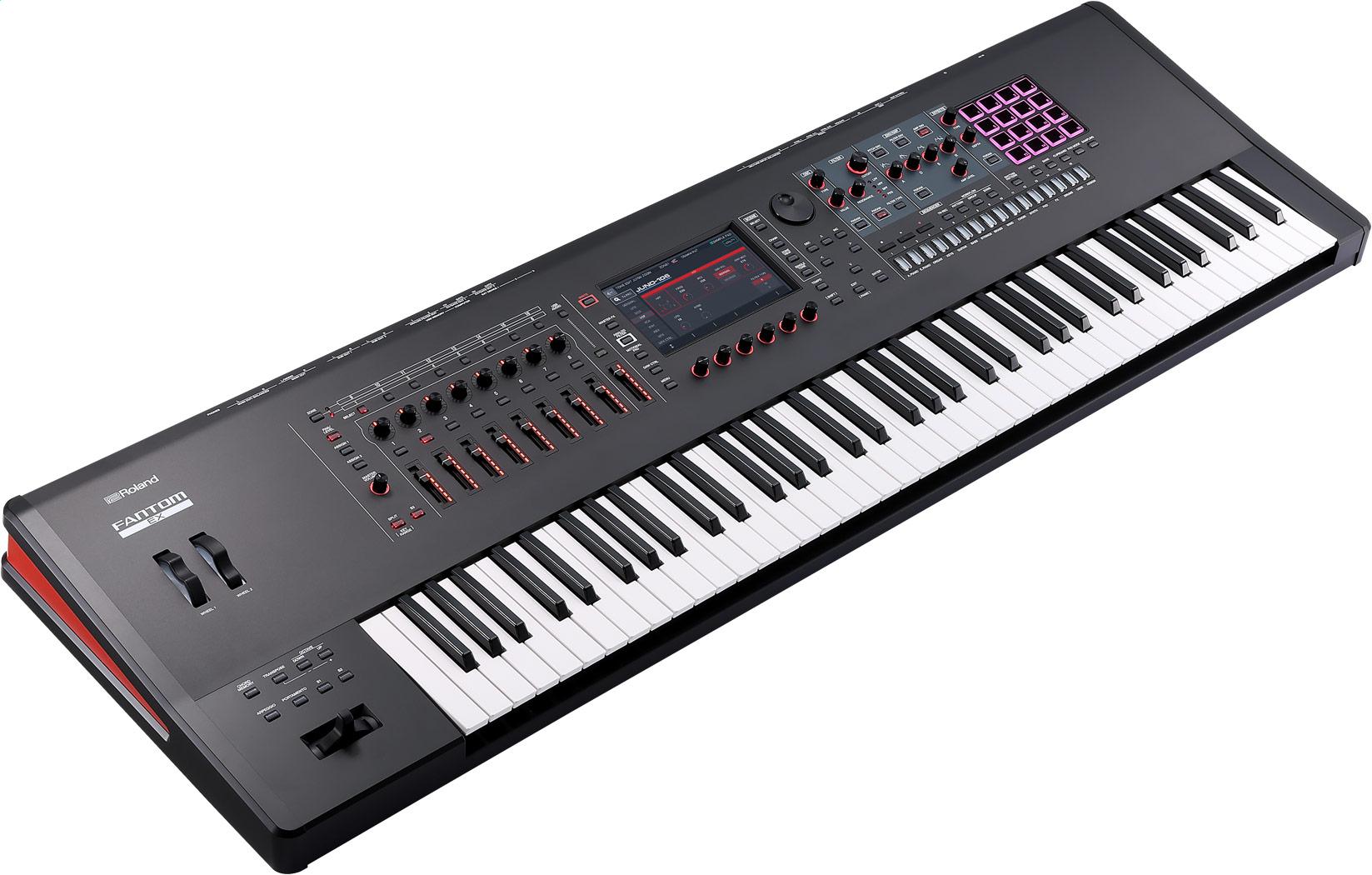
I bought the Fantom 8 a week ago, first my Macbook 2018 crashed after installing the driver. I reinstalled my MacOS Catalina and succeeded the install of the driver. My PC shows the Fantom as connected when connecting the USB to the Fantom, but the Fantom keeps showing "Please connect your PC" when pressing the DAW button. Why is that? When I open a music writing program, it registered all the notes I play on the Fantom, so this works well. I like to use Garageband or Cubase DAW, but when I open these programs, I can play sounds from inside the DAW, but I can't send the Fantom sounds to the DAW. Also not when I connect the Fantom with two MIDI cables via a recording interface.
What should I do in order to use a DAW like Garageband with the Fantom?
Fantom wallet Is a practical way to manage FTM with network awareness
Fantom wallet Is a crypto wallet setup used to hold, send, receive, and interact with FTM and compatible tokens on the Fantom ecosystem. The essential point is simple: a Fantom wallet is only useful when the user selects the correct network, understands gas fees, protects the recovery phrase, and verifies token contracts before transferring value. It can support everyday storage, DeFi access, staking interfaces, and account recovery workflows, but it does not remove blockchain transaction risk.
Fantom wallet users often arrive with one urgent question: why are tokens visible in one place but missing in another? In many cases, the address is not the problem. The network is. EVM-compatible chains can use addresses that look similar, yet assets may live on Ethereum, Fantom, Cronos, Binance Smart Chain, or another network. A Fantom wallet can show only what it is configured to display, so network selection is just as important as the public address.
For a new user, Fantom wallet setup should be treated as a careful identity and network task rather than a quick app installation. The wallet controls keys, signs transactions, and exposes balances through RPC connections and block explorers. If the wrong chain is selected, the screen can look empty even when the tokens are still recorded on a different chain. If the wrong destination network is chosen at an exchange, recovery may depend on the exchange, bridge, or wallet type.
What is Fantom wallet?
Fantom wallet is a general phrase for a wallet experience that can manage FTM and assets associated with the Fantom ecosystem. It may refer to an official-style web wallet, a browser wallet configured for Fantom, a mobile wallet, or a hardware wallet connection. The important shared function is key control: the wallet lets the owner authorize activity from an address that can receive tokens and interact with smart contracts.
Fantom wallet activity usually centers on FTM, which has been used for fees, transfers, staking, and decentralized applications in the ecosystem. Because Fantom has used EVM-compatible infrastructure, many users also connect through wallets that support custom networks. That is convenient, but it is also where mistakes happen. A Fantom wallet address can look like an Ethereum address, yet the token location depends on the chain where the transaction was actually confirmed.
The protocol context matters because wallets are interfaces, not vaults in the traditional banking sense. A Fantom wallet does not personally hold coins inside the app. It holds or accesses private keys, then reads blockchain data and signs messages. If the app is removed, the account can usually be restored with the recovery phrase or hardware device. If the recovery phrase is exposed, someone else may control the same account.
How does Fantom wallet work with networks and addresses?
Fantom wallet behavior is built around a public address, a private key, and a selected network. The public address is what others use to send assets. The private key, often represented by a seed phrase or protected by a hardware wallet, is what authorizes outgoing actions. The selected network tells the wallet which chain to read and where to broadcast signed transactions.
Fantom wallet confusion often starts because EVM chains share a similar account format. A person can send a token to an address that appears correct while using the wrong network route. For example, tokens sent as ERC-20 assets on Ethereum are not the same as native assets available on Fantom. They may still be associated with the same address, but they require the right chain, token contract, and gas asset to move.
In practice, a Fantom wallet reads balances through RPC endpoints and token lists. If a token does not display automatically, the user may need to add a custom token using a verified contract address. This should be done carefully. Random token entries, copied contract addresses from unknown sources, and unsolicited assets can lead to bad approvals or phishing attempts. The safer habit is to verify details through official sources and reputable block explorers before acting.
Fantom wallet transfers also need gas. If an asset is on Ethereum, the user generally needs ETH for transaction fees. If the asset is on Fantom, the user generally needs the chain’s gas token for that network. A wallet screen may show a token balance while still being unable to send it because there is not enough gas on the specific chain where the token exists.
How to set up Fantom wallet safely
Fantom wallet setup begins with choosing the wallet type. A software wallet is convenient for smaller balances and frequent use. A hardware wallet adds signing protection because the private key remains on a dedicated device. A browser wallet can be practical for DeFi, but it should be installed from the correct source and kept separate from casual browsing habits when possible.
Fantom wallet users should write the recovery phrase offline, store it privately, and avoid entering it into random websites. No legitimate support agent needs the seed phrase to inspect a transaction. The phrase should not be photographed, pasted into chat, stored in cloud notes, or typed into a page that appeared from an advertisement. A wallet can be restored from that phrase, which means anyone with it can potentially move funds.
A simple setup workflow can reduce common mistakes before the first meaningful transfer:
- Install or open a trusted wallet that supports custom EVM networks.
- Create a new account or connect a hardware wallet.
- Add the Fantom network details from an official source.
- Send a small test amount before transferring a larger balance.
- Confirm the token contract, network, and recipient address before signing.
Fantom wallet setup should also include a review of connected sites and token approvals. DeFi applications may request permission to spend a token. Some approvals are limited; others can be broad. If a user regularly explores decentralized exchanges, bridges, NFT marketplaces, or staking dashboards, approval hygiene becomes part of wallet maintenance. Related guidance on can help users build better routines before they connect funds to new applications.
What can you use Fantom wallet for?
Fantom wallet use cases include receiving FTM, sending payments, bridging assets, staking through supported interfaces, and connecting to decentralized applications. It can also be used to inspect balances, review transactions, and manage tokens that exist on compatible networks. For many people, the wallet is the main control panel for blockchain activity rather than a passive storage screen.
Fantom wallet users who stake or delegate should understand lock periods, validator selection, reward timing, and unstaking rules before committing tokens. Staking interfaces can change, and ecosystem transitions can affect how users should interpret older instructions. The safer approach is to verify current procedures through official wallet materials and confirm all details before signing. Staking is not a guaranteed return, and technical or market risk remains.
Fantom wallet users also rely on bridges when moving assets between chains. A bridge is not the same as a normal transfer. It may lock, mint, burn, or release assets depending on the route. Fees, liquidity, contract risk, and delays may apply. If a token appears stuck after bridging, the transaction hash, source chain, destination chain, and bridge documentation become important troubleshooting information.
Another common use is connecting Fantom wallet accounts to decentralized exchanges. A swap may require a token approval first and a trade transaction second. Users should review slippage, route, expected output, gas fees, and the site domain before signing. A wallet cannot decide whether a trade is financially sensible; it only presents a transaction request that the user must evaluate.
Why token transfers can go wrong in a Fantom wallet
Fantom wallet transfer problems usually come from network mismatch, unsupported deposit routes, missing gas, wrong token contracts, or misunderstood bridge behavior. A transaction can be valid on-chain and still fail to appear where the user expected it. That is especially common when moving assets between an exchange and a self-custody wallet, because exchanges may support only selected networks for deposits and withdrawals.
Fantom wallet addresses that begin with familiar EVM formatting can create false confidence. A user may copy an address correctly but select the wrong withdrawal network. If an exchange receives tokens on a network it did not support for that deposit, only the exchange may be able to help. If the user controls the private key, recovery may be possible by viewing the same address on the correct network, but that depends on the exact asset and chain.
In a Fantom wallet, missing tokens do not always mean lost tokens. The first step is to identify the transaction hash and view it on the appropriate block explorer for the source network. The second step is to check whether the receiving address is the same address controlled by the wallet. The third step is to add the correct network and token contract only after verifying them from trustworthy sources.
Fantom wallet recovery attempts should be conservative. Importing a seed phrase into multiple sites increases exposure, especially during stressful troubleshooting. If a hardware wallet was used, the recovery path may differ from a software wallet flow. Users should avoid rushing into unofficial recovery tools, direct messages, or pages that ask for private keys. When in doubt, use official support channels and never share the recovery phrase.
Is Fantom wallet safe?
Fantom wallet safety depends on key custody, device security, transaction review, and the applications a user connects to. The wallet software can be legitimate while a connected smart contract or phishing page is dangerous. The most serious risks are seed phrase theft, malicious approvals, fake support, wrong-network transfers, compromised devices, and signing messages without understanding the result.
Fantom wallet users should treat unsolicited tokens with suspicion. Spam tokens may appear in an address because anyone can send assets to a public blockchain address. Their presence does not automatically mean the wallet is compromised. The risk often begins when a user tries to trade, approve, or interact with the token through an unknown website. Leaving suspicious tokens alone is often safer than chasing their supposed value.
Good Fantom wallet security is practical rather than dramatic. Keep software updated, confirm URLs manually, use a hardware wallet for larger balances, separate daily-use funds from long-term holdings, and test transfers before moving substantial amounts. Review every transaction prompt. If a prompt asks for unlimited spending approval, contract interaction, or message signing, pause and confirm why the request exists.
Fantom wallet safety also includes financial risk language. Crypto assets can be volatile, bridges can fail, smart contracts can contain bugs, and support for networks or tokens can change. This page is informational, not financial advice. Users should verify current details with official sources, understand the transaction path, and make decisions based on their own risk tolerance.
How does Fantom wallet compare with other EVM wallets?
Fantom wallet experiences overlap with broader EVM wallet tools because the same address model can work across multiple networks. A browser wallet may support Ethereum, Fantom, Polygon, Avalanche, BNB Smart Chain, and other EVM-compatible chains. That flexibility is useful for DeFi users, but it also means the wallet interface must clearly show which network is active before a transaction is signed.
Fantom wallet alternatives may offer different strengths. Some prioritize hardware wallet support. Others focus on mobile usability, portfolio tracking, swaps, or decentralized app compatibility. A user who frequently bridges assets may value clear network labels and transaction history. A user who mostly stakes may care more about validator views, reward information, and compatibility with official staking workflows.
Compared with a centralized exchange account, Fantom wallet self-custody gives the user more direct control and more responsibility. The wallet owner can interact with decentralized applications without asking permission from an exchange, but the owner also bears the consequences of wrong addresses, wrong networks, exposed seed phrases, and risky approvals. Exchange accounts may offer customer support for some mistakes, while self-custody often depends on key control and chain mechanics.
Fantom wallet comparisons should also include a basic distinction between a wallet and a portfolio tracker. A tracker may display balances across chains, but it may not control the keys. A wallet signs transactions. Some apps combine both functions, yet the security model still depends on where the private key lives and what the user authorizes.
What should beginners check before sending FTM?
Fantom wallet beginners should slow down before the first transfer. The most important check is the network. A correct-looking address is not enough. The sender must confirm whether the asset is native FTM, an ERC-20 version, a bridged token, or another chain representation. Exchanges and wallets may label these routes differently, so the withdrawal page and receiving wallet must agree.
Fantom wallet users should also confirm gas requirements. If FTM is on Fantom, the account needs enough gas on that network. If a token is on Ethereum, ETH is usually needed for gas. If the token is on another chain, that chain’s gas asset may be required. Without gas, a user may be able to see a balance but not move it.
Before a larger movement, Fantom wallet users should send a small test transaction. This adds a fee, but it can prevent a more expensive mistake. Once the test arrives, compare the transaction hash, network, asset name, and final balance. For exchange deposits, wait for the exchange to credit the test before sending more. If the exchange does not support the chosen network, do not assume the deposit will be recovered.
Users who need more general setup help may also compare a Fantom wallet flow with a broader , because many EVM concepts carry across networks. The specific network parameters, supported assets, and official migration guidance should still be checked for Fantom before signing transactions.
Closing thoughts on using Fantom wallet responsibly
Fantom wallet use becomes easier when the user separates three ideas: the address, the network, and the asset. The address identifies the account. The network determines where the transaction exists. The asset contract defines what token is being moved. Most mistakes come from treating those details as interchangeable when they are not.
Fantom wallet tools can be powerful for storage, transfers, staking access, DeFi, and multi-chain activity, but they reward careful habits. Verify official network details, keep the recovery phrase private, question unexpected tokens, inspect approvals, and test unfamiliar transfer routes. A Fantom wallet gives direct control over blockchain activity, and direct control works best when every transaction is treated as final until proven otherwise.
Questions and Answers
What is a Fantom wallet used for?
A Fantom wallet is used to manage FTM and compatible tokens, view balances, send and receive assets, connect to decentralized applications, and access staking or bridge workflows where supported. It is best understood as a key-controlled interface to blockchain accounts. The wallet does not eliminate transaction risk, so users still need to confirm the network, token contract, recipient address, and gas requirements before signing.
Why are my tokens not showing in my Fantom wallet?
Tokens may not show because the wallet is connected to the wrong network, the token contract has not been added, the transaction occurred on another chain, or the transfer used an unsupported route. A Fantom wallet can only display what it is configured to read. Check the transaction hash on the correct block explorer, verify the receiving address, and use official sources before adding custom token details.
Can I recover FTM sent on the wrong network?
Recovery depends on who controls the receiving address and which network was used. If you control the private key, you may be able to view the same address on the correct EVM network and move the asset after adding gas. If tokens were sent to an exchange through an unsupported network, only the exchange may be able to help. Never share your recovery phrase during recovery attempts.
Is Fantom wallet safe for beginners?
A Fantom wallet can be safe for beginners who use cautious habits, but it requires personal responsibility. The main risks are seed phrase theft, wrong-network transfers, malicious approvals, fake support messages, and interacting with suspicious tokens or websites. Beginners should use small test transactions, verify official network details, keep the recovery phrase offline, and consider hardware wallet protection for larger balances.
What network should I choose when sending FTM to a Fantom wallet?
Choose the network that matches the asset route supported by both the sender and receiver. Native or ecosystem FTM must be sent on the supported Fantom route, while ERC-20 FTM is on Ethereum and requires ETH for gas. Labels can vary between exchanges and wallets, so confirm the withdrawal network, receiving wallet network, and official documentation before sending value.
Do I need gas to move tokens from a Fantom wallet?
Yes. Gas is required on the chain where the token exists. If the token is on Fantom, the account needs the correct gas asset for that network. If the token is on Ethereum, ETH is generally needed for transaction fees. Seeing a token balance is not enough to move it; the wallet must also have enough gas on that same network.
How is a Fantom wallet different from an exchange account?
A Fantom wallet is typically self-custody, meaning the user controls the private key or recovery phrase and signs transactions directly. An exchange account is custodial, meaning the platform controls wallet infrastructure and may limit supported networks. Self-custody offers more direct access to DeFi and blockchain tools, but mistakes such as wrong-network transfers or exposed seed phrases may be harder to reverse.